
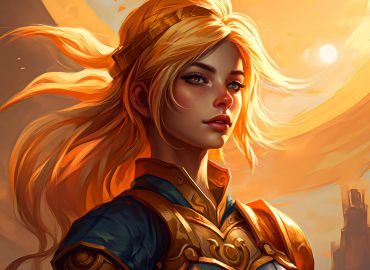
Experimental animation represents the most daring and exploratory side of the medium. Unlike mainstream animation, which often follows established storytelling structures and visual styles, experimental animation thrives on breaking rules. It challenges conventions, redefines what animation can be, and pushes the boundaries of art, technology, and perception..
Blogs
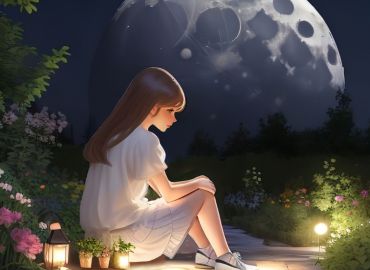
Color Psychology in Animated Films- The emotional power
Color is one of the most powerful storytelling tools in animated films. Long before a character speaks or a scene unfolds, color shapes the audience’s emotional response. Because animation allows complete control over every visual element, filmmakers use color deliberately to communicate mood, character, theme, and narrative progression. Understanding color psychology helps explain why animated films feel so emotionally rich and memorable.
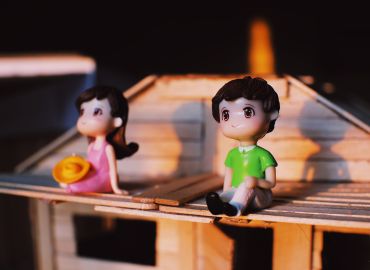
Character Design: Creating Memorable Animated Characters
Character design is one of the most essential elements of animation. A well-designed character can become iconic, emotionally resonant, and instantly recognizable—sometimes even without dialogue or movement. Memorable animated characters are not created by chance; they are the result of thoughtful design choices that balance visual appeal, personality, and storytelling.
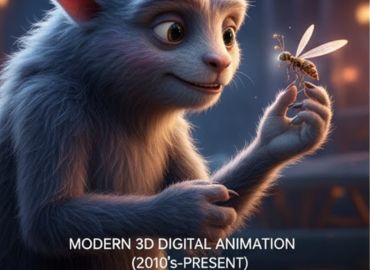
Evolution of Animation Styles: From Hand-Drawn to AI-Assisted Art
Animation has always been a reflection of the tools and ideas of its time. From painstaking hand-drawn frames to modern AI-assisted workflows, animation styles have evolved alongside technology while maintaining the same core goal: bringing stories and emotions to life through movement. This evolution is not a replacement of old methods, but a layering of new possibilities onto a rich artistic tradition.